
Dry Coolers: Definition, Advantages and Applications
Dry coolers are widely used equipment in industrial cooling systems. These devices offer energy efficient and environmentally friendly solutions by utilizing air to cool liquids.
What is a Dry Cooler?
A dry cooler is a device that, when a liquid (usually water or antifreeze) is heated, cools the liquid by transferring heat to the air. These systems are called "dry" because they operate without the need for water, like cooling towers. Dry coolers provide air flow, usually through fans, which allows heat transfer to take place.
Working Principle
Dry coolers basically work like this:
Fluid Flow
- The liquid to be cooled is directed into the dry cooler. The liquid circulates through pipes inside the device.
Air Flow
- Fans draw outside air into the appliance. The ventilation system allows air to circulate around the liquid.
Heat Transfer:
- When the liquid comes into contact with the outside air, it transfers heat to the air. At this stage, the temperature of the liquid drops and the cooled liquid is directed to the outlet.
Turn:
- The cooled liquid returns to the processes that need to be cooled again.
This cycle is repeated continuously to ensure efficient cooling of the system.
Advantages of Dry Coolers
Dry coolers have many advantages:
Energy Efficiency:
- Since they do not require water, they save water resources and reduce energy costs.
Low Maintenance Costs:
- Requires less maintenance than water-cooled systems. Operating costs are reduced as there are no additional components such as water pumping and cooling towers.
Environmentally Friendly:
- It contributes to the conservation of water resources and offers an environmentally friendly cooling solution.
Easy Installation:
- Dry coolers are easier to install because they do not depend on water supplies.
Application Areas
Dry coolers are widely used in various industrial and commercial fields:
Air Conditioning Systems:
- It is used to provide indoor comfort in commercial buildings and large facilities.
Industrial Processes:
- Temperature control in plastics, food processing and chemical industries.
Data Centers:
- It plays a critical role in cooling server rooms to prevent devices from overheating.
Food Processing:
- In food production, it is used to provide temperature control and improves product quality.
-
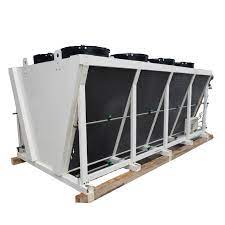
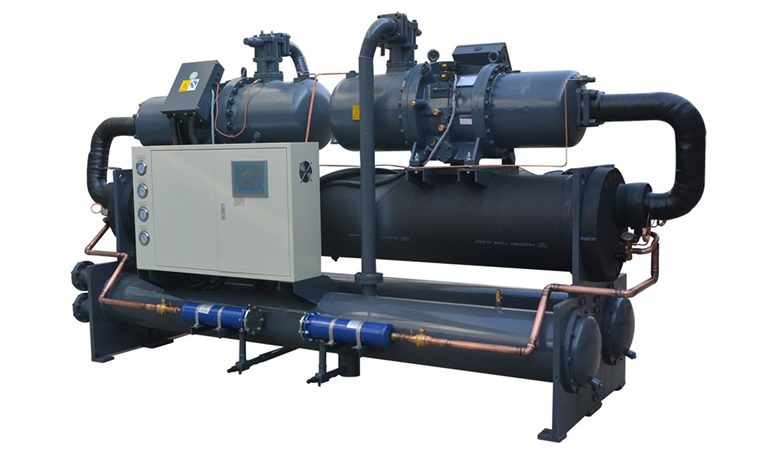
- Dry coolers
-

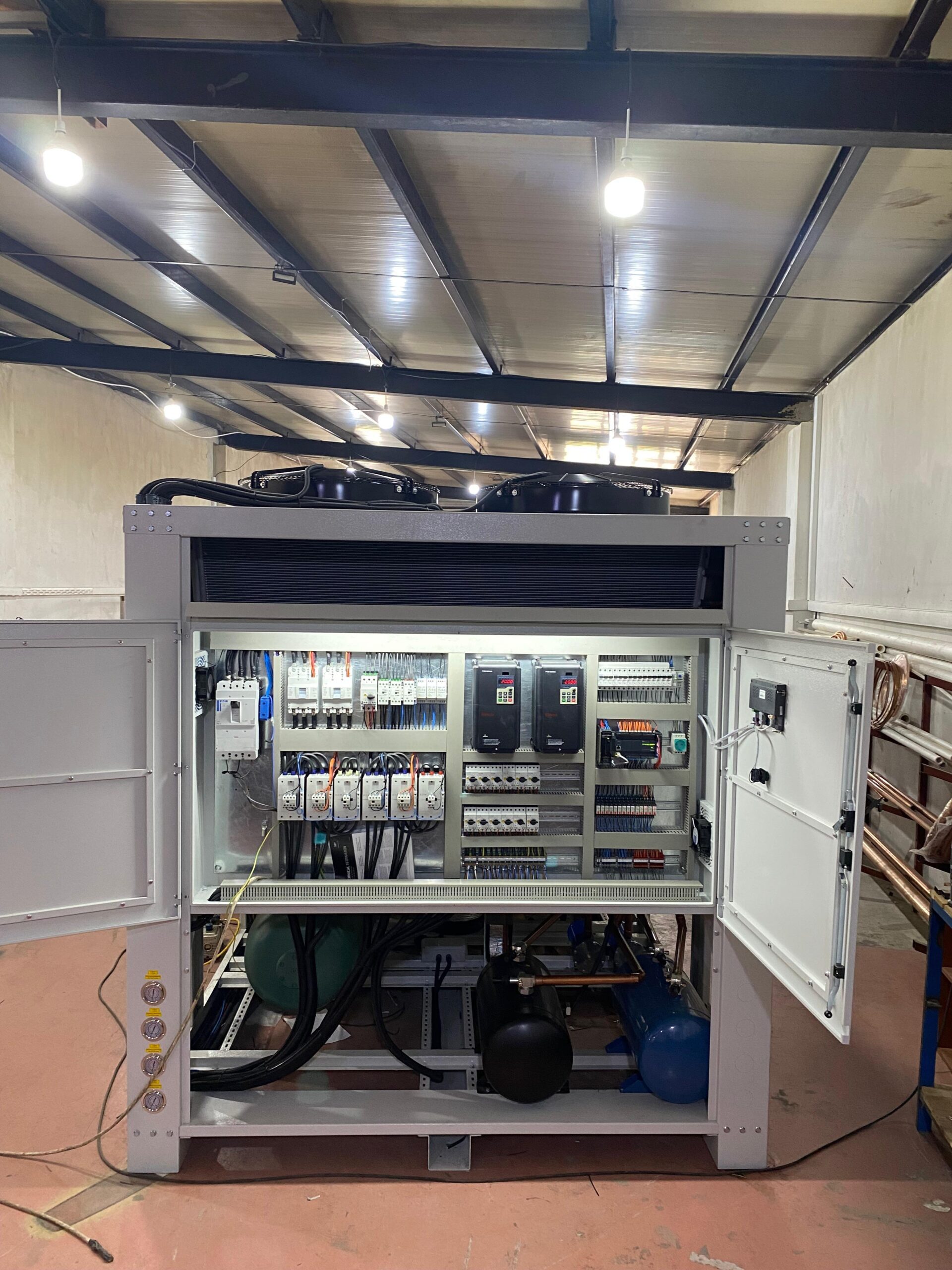
- Dry coolers
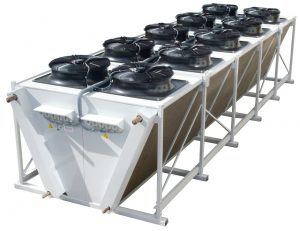
-
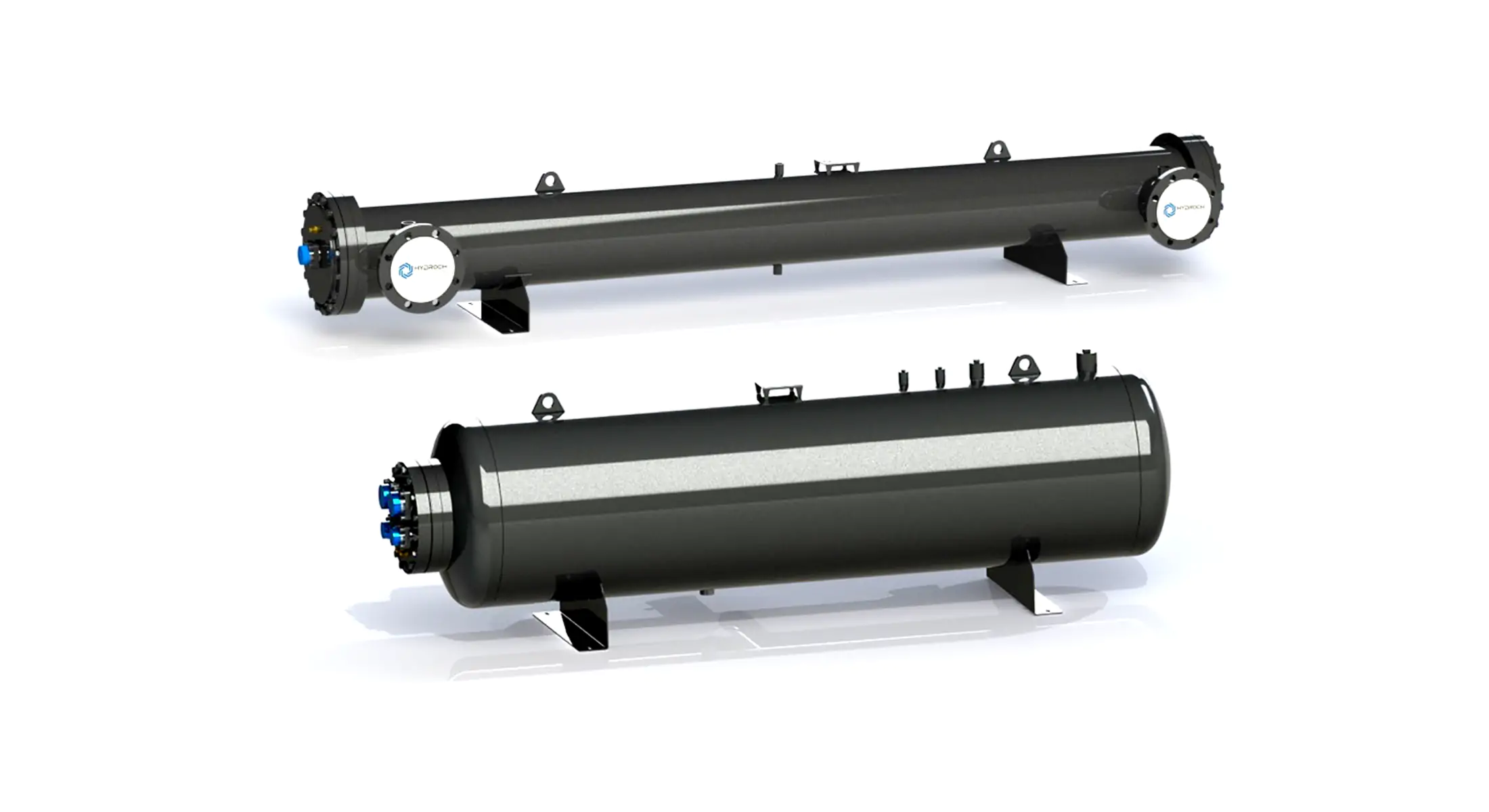
- Dry coolersr
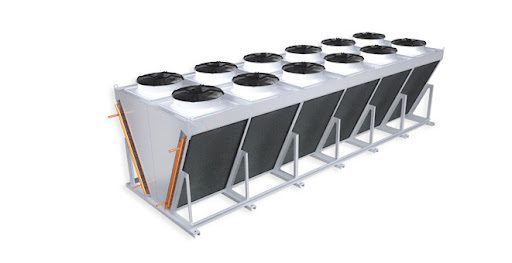

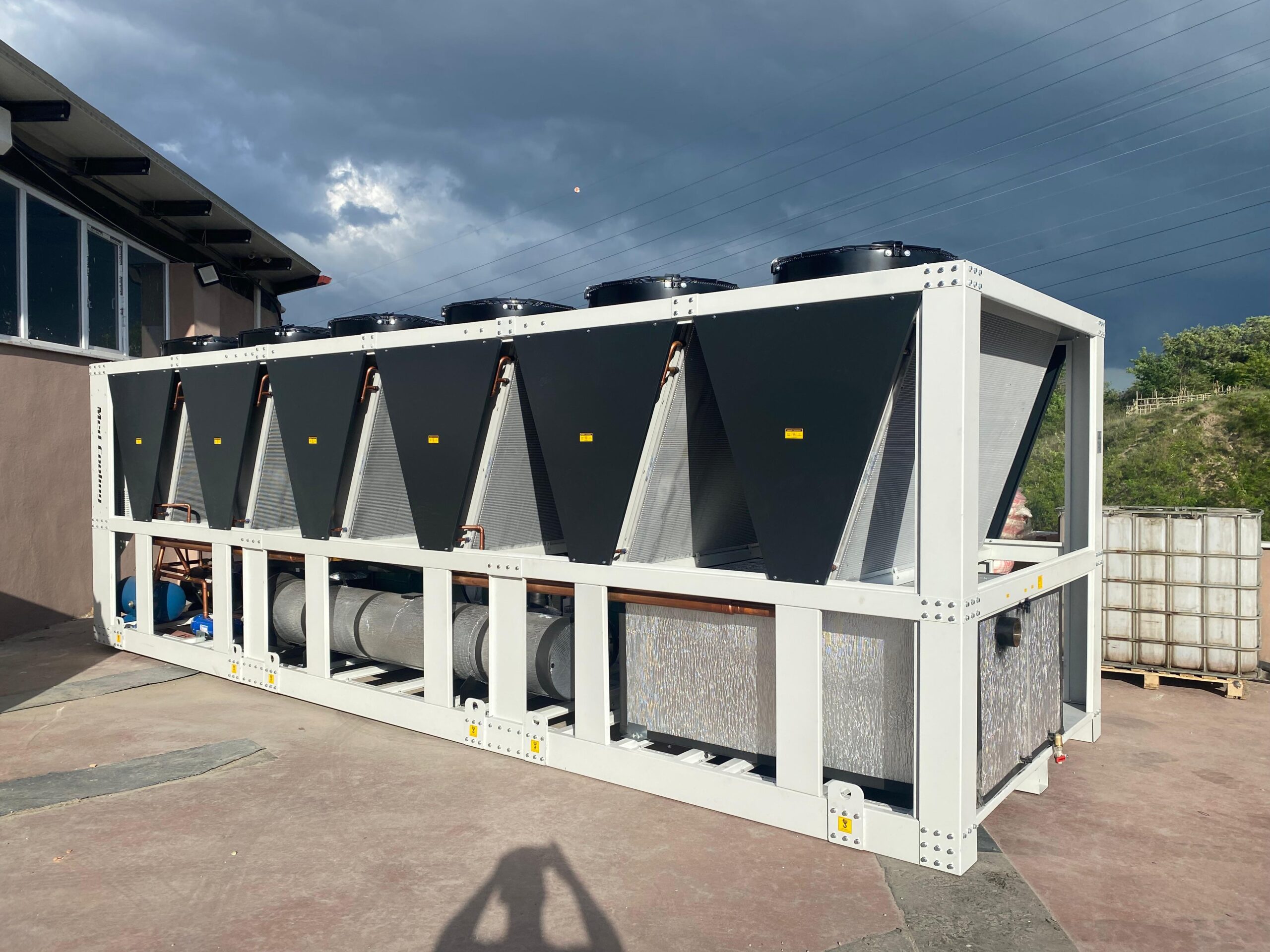

 Turkish
  English
  Russian
  French
  German
  Italian